
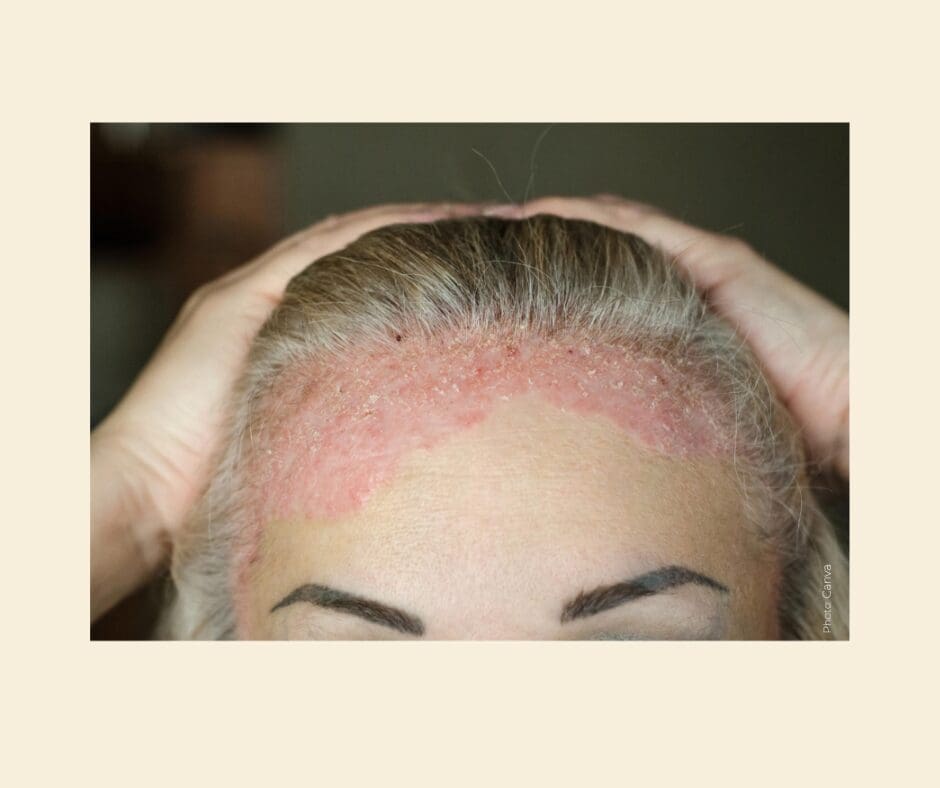
Relentless itching. Inflamed, dry skin. A daily routine shaped by fragrance-free products and constant vigilance. What causes eczema? It’s often dismissed as “just dryness,” but eczema is a complex immune-mediated condition influenced by genetics, environment, and stress.
“Eczema is a chronic inflammatory skin condition driven by immune system dysfunction and a compromised skin barrier,” board-certified dermatologist Dr. Kate Viola explains.
In other words, it isn’t caused by poor hygiene. It isn’t contagious. And it isn’t something you can simply scrub away.
What Causes Eczema Beneath the Surface?
Many patients ask what causes eczema flare-ups, but the answer is rarely one single trigger. At its core, eczema involves a weakened skin barrier. That barrier is meant to lock moisture in and keep irritants out. When it’s compromised, the skin becomes vulnerable—to allergens, environmental triggers, and even emotional stress.
Common Causes of Eczema Flare-Ups
Genetics often play a role. So do climate, fragrances, certain fabrics, and harsh skincare ingredients.
Which brings us to an important misconception.
“Natural” Doesn’t Automatically Mean Safe
One of the most persistent myths in skincare is that natural products are inherently gentler.
But for eczema-prone skin, that isn’t always true.
Botanical extracts, essential oils, and plant-based ingredients can still trigger irritation. What matters more than whether something is natural is whether it supports the skin barrier and avoids known irritants.
For many patients, that means:
- Fragrance-free formulations
- Minimal ingredient lists
- Gentle cleansers
- Consistent moisturizing
Treatment Has Evolved
The conversation around eczema has changed significantly in recent years. Beyond topical steroids, dermatologists now have access to targeted systemic therapies that address the underlying immune pathways driving inflammation.
That shift has been life-changing for many patients.
Still, management remains deeply personal. Identifying triggers, building a supportive skincare routine, and working closely with a dermatologist are key.
This is just a glimpse into our in-depth feature with Dr. Kate Viola in the Spring issue of Pretty.
To read the full article — including treatment advances and expert insight — explore the complete issue here:
Dermatologist-recommended products for eczema-prone skin
Dermatologists often recommend simple, fragrance-free moisturizers for eczema-prone skin. On our social channels, we recently highlighted three commonly recommended options: Vanicream Moisturizing Cream, La Roche-Posay Lipikar Balm AP+, and Avène XeraCalm.
(These are affiliate links. Pretty may earn a small commission if you purchase from our links.)

+ Leave a comment
back to pretty