
Fashion has spent decades convincing women that only certain flattering skirt shapes work for certain body types. But some of the most stylish women in history prove otherwise.
This post contains affiliate links, which means Pretty may earn a small commission from qualifying purchases at no additional cost to you. Thank you for supporting our work.
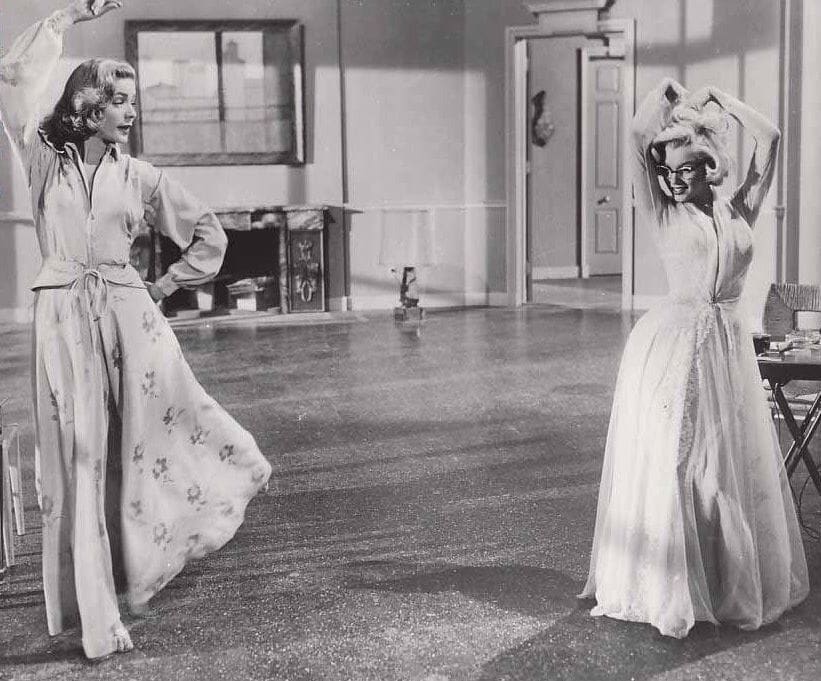
Long before social media declared that every trend was either “for” or “not for” a certain shape, women simply learned how to dress their bodies—emphasizing proportion, balance, movement, and personality rather than chasing a single ideal silhouette.
The secret was rarely thinness. More often, it was understanding shape.
And perhaps no garment demonstrates that better than the skirt.
The Pencil Skirt: Confidence and Classic Glamour
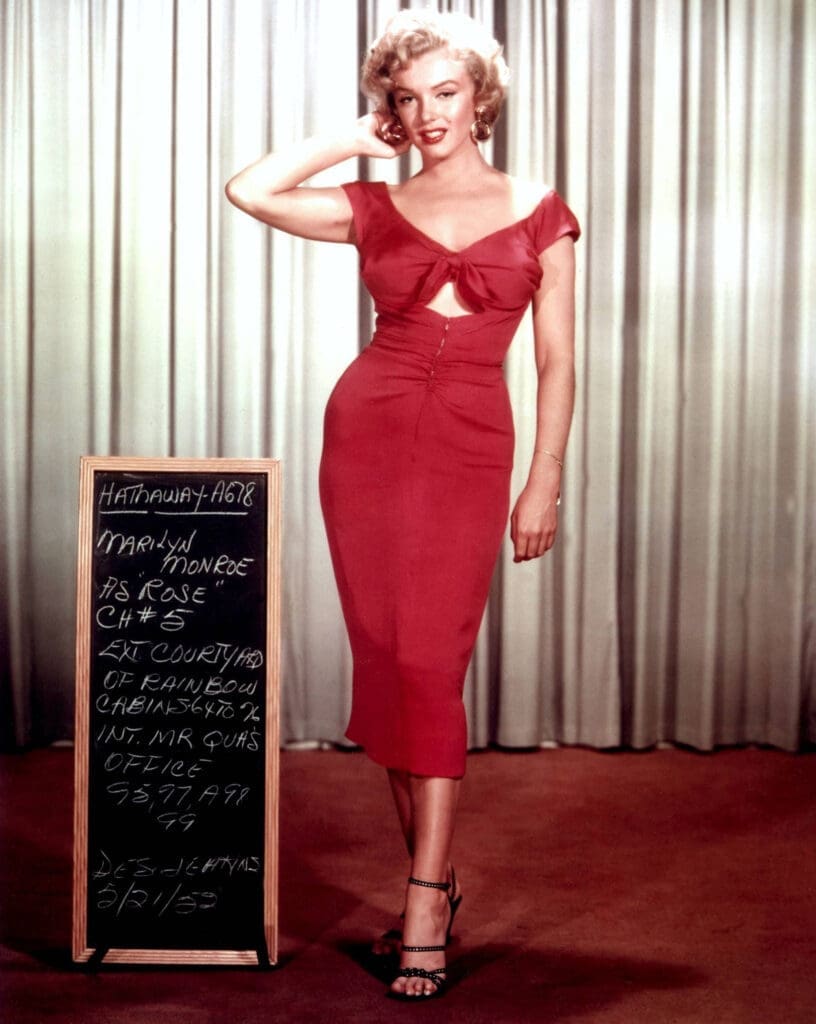
The pencil skirt has long been associated with screen sirens such as Marilyn Monroe and Sophia Loren, whose curves became part of their unmistakable glamour. But the silhouette has flattered many different kinds of women over the decades, not just one narrowly defined ideal.
Ella Fitzgerald, for example, frequently wore elegant pencil skirts and fitted dresses onstage, using clean lines and tailoring to create sophistication and presence rather than trying to hide her body. The look worked not because she fit a modern sample size, but because the silhouette honored her proportions beautifully.
The key to a pencil skirt is structure. A well-made version follows the body rather than squeezing it, creating a polished line that can feel timelessly feminine on many figures.
The A-Line: Fashion’s Great Balancer
If one skirt shape could fairly be called universally flattering, it might be the A-line.
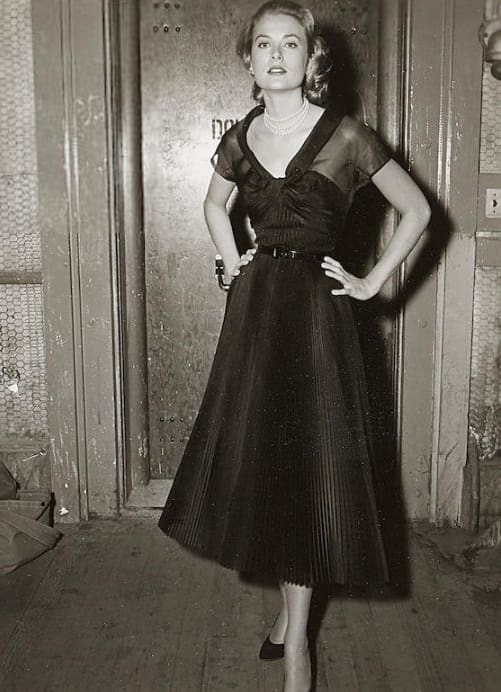
Grace Kelly wore softly tailored A-line skirts with polished elegance, while Audrey Hepburn favored versions with lightness and movement in films including Roman Holiday and Funny Face. Because the skirt gradually widens from the waist rather than clinging to the hips or thighs, the silhouette naturally creates balance. It can soften curves, add movement to straighter figures, and create definition without feeling restrictive.
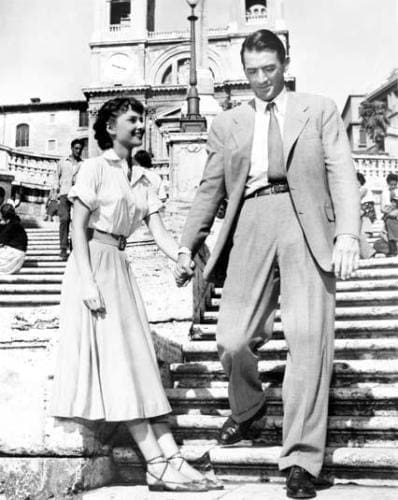
It is also one of the easiest shapes to wear across generations—youthful without trying too hard, polished without feeling severe.
The Wrap Skirt: The Shape-Shifter
Few garments adapt to real women’s bodies quite like the wrap skirt.
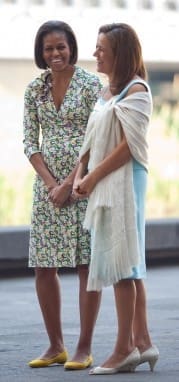
Popularized in various forms throughout the 1970s and beyond, wrap silhouettes work because they adjust naturally to the body rather than forcing the body to conform to them. Michelle Obama, for example, frequently embraced wrap silhouettes that balanced polish with ease and movement. Wrap skirts create waist definition, visual movement, and flexibility—three things many women quietly appreciate as life, weight, age, and hormones inevitably fluctuate.
The wrap skirt’s enduring appeal lies partly in the fact that it rarely feels rigid or over-engineered. It moves with the wearer instead of against her.
The Real Secret to Flattering Style
The most stylish women rarely dressed according to a single ideal body type. Sophia Loren embraced curves. Audrey Hepburn leaned gamine and slender. Marilyn Monroe emphasized softness and shape. Ella Fitzgerald radiated glamour and authority through tailoring and elegance.
What united them was not sameness, but self-understanding.
Great style has often been less about hiding the body than about creating balance — drawing attention to the features a woman loves most while allowing other areas to recede more quietly into the background.
Modern fashion often encourages women to ask:
Does this trend work for my body?
A better question may be:
Does this silhouette make me feel balanced, confident, and like myself?
Because flattering style is rarely about chasing perfection. More often, it comes from learning which shapes bring ease, harmony, and confidence to the body you already have.

+ Leave a comment
back to pretty