
Before you pull them, take another look. These beautiful blooms prove that sometimes the prettiest things in the garden are the ones you never planted.
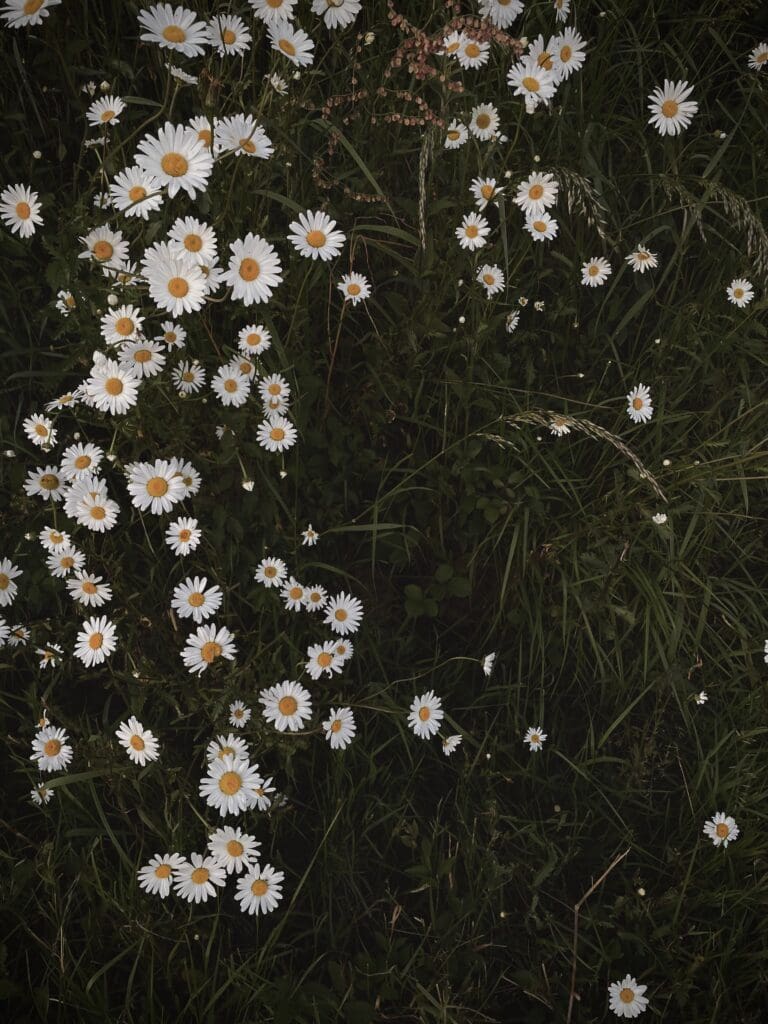
We call them weeds mostly because they showed up without an invitation. But take a closer look before you pull: Some of the plants that pop up along fences, across lawns, and in forgotten corners of the yard produce blooms every bit as beautiful as the ones we deliberately plant. Here are 10 “weeds” that just might deserve a second look.
1. 🌸 MORNING GLORY
Ipomoea spp.
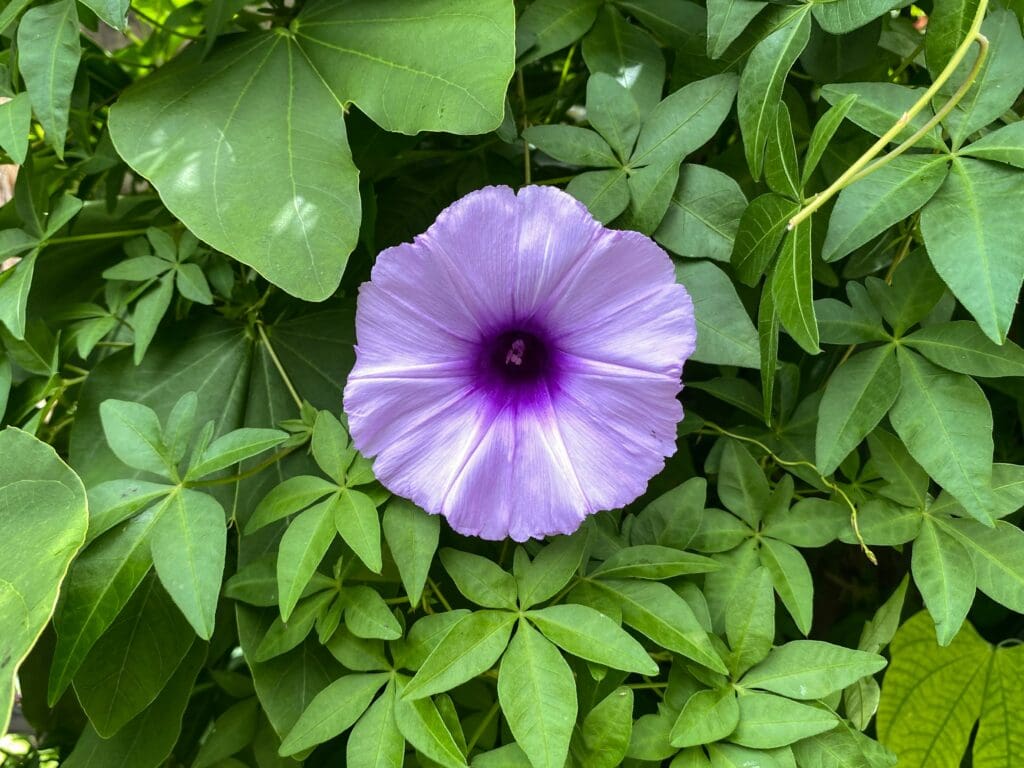
🌸 PRETTY FACTOR
Those romantic trumpet-shaped blooms can be purple, pink, blue, or white—and they look especially charming twining their way up a fence.
🌱 WHAT TO KNOW
“Morning glory” covers a number of species, and their manners vary considerably. Some are beloved garden flowers; others spread aggressively and can smother neighboring plants.
✂️ VERDICT: PROCEED WITH CAUTION
Enjoy the blooms, but know exactly which morning glory you have before giving it free rein.
2. 💜 COMMON BLUE VIOLET
Viola sororia
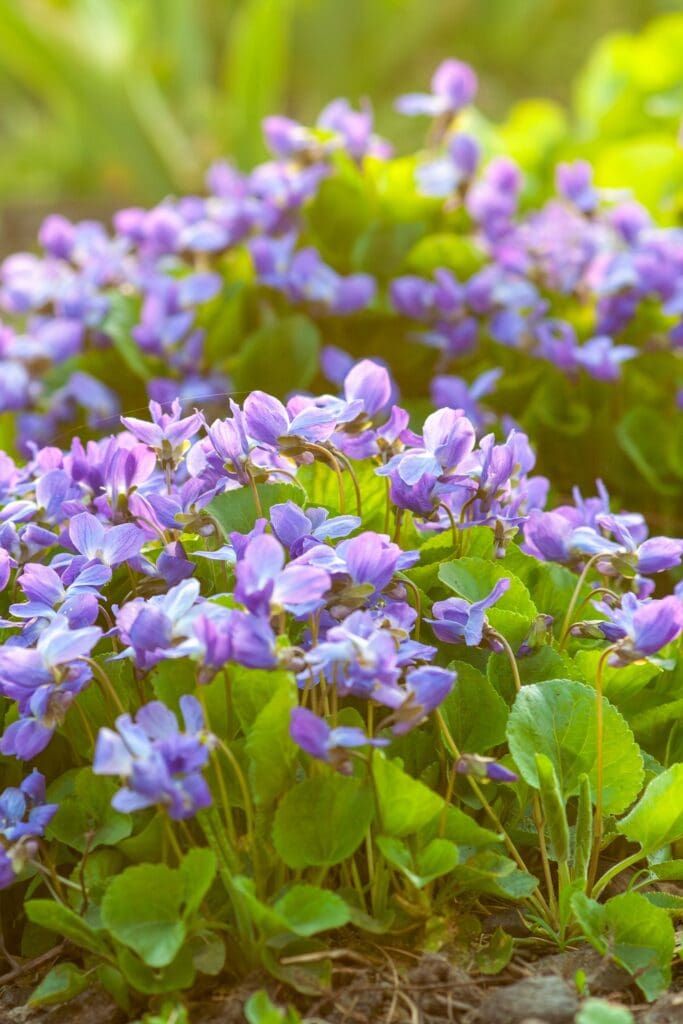
🌸 PRETTY FACTOR
Tiny purple flowers peeking through the lawn? We have a hard time being mad about that. These sweet little native blooms are one of spring’s prettiest surprises.
🌱 WHAT TO KNOW
Common blue violets spread readily and may turn up where you didn’t plant them—but they’re native to much of eastern North America and provide an early-season food source for pollinators.
💗 VERDICT: LET IT GROW
Unless you’re devoted to a perfectly uniform lawn, consider making peace with these petite purple beauties.
03 ☀️ DANDELION
Taraxacum officinale
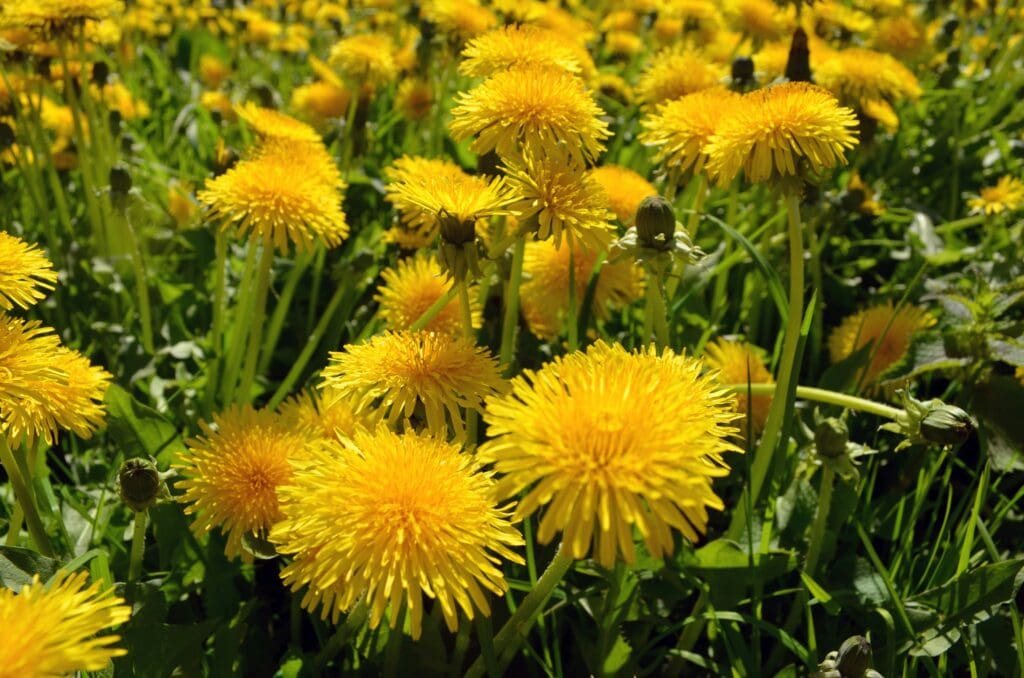
🌸 PRETTY FACTOR
Before it becomes that irresistible puffball, the humble dandelion is a remarkably cheerful little flower—a miniature burst of sunshine in the grass.
🌱 WHAT TO KNOW
Dandelions are persistent, prolific, and famously difficult to eradicate once established. They’re also edible from flower to root.
💛 VERDICT: YOUR CALL
Leave a few if you enjoy them; pull them if you don’t. Either way, we maintain that those yellow blooms have been unfairly maligned.
04 🤍 QUEEN ANNE’S LACE
Daucus carota
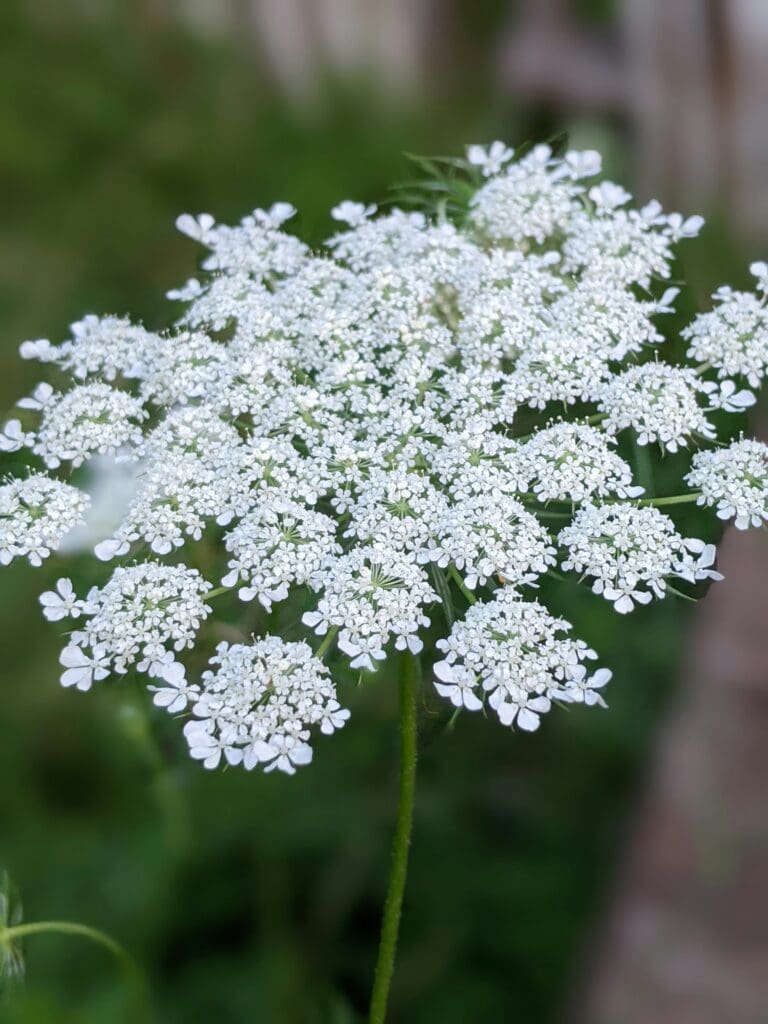
🌸 PRETTY FACTOR
With airy white flower heads resembling delicate lace, this roadside regular looks more like something from a cottage-garden bouquet than a weed.
🌱 WHAT TO KNOW
Also known as wild carrot, Queen Anne’s lace is non-native to the United States and can be invasive in some areas. It also resembles poisonous plants, including poison hemlock, so never forage it unless you’re absolutely certain of the identification.
✂️ VERDICT: ADMIRE RESPONSIBLY
Beautiful? Absolutely. Something to deliberately spread around the yard? Check its status where you live first.
05 💗 RED CLOVER
Trifolium pratense
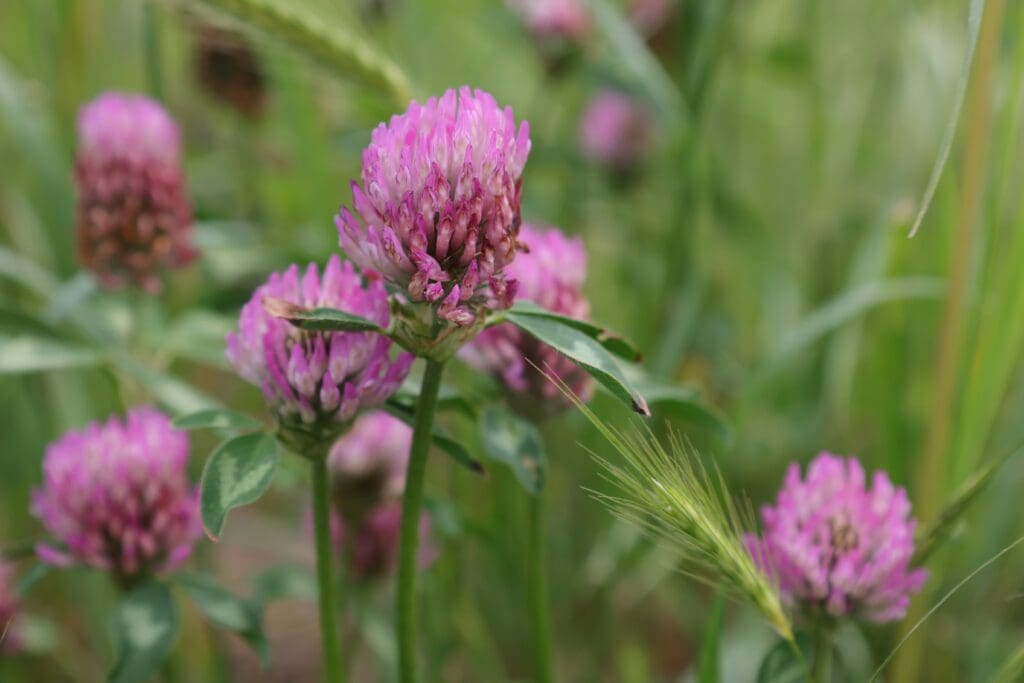
🌸 PRETTY FACTOR
Those fuzzy rose-purple pom-poms rising above the grass are downright adorable—and particularly lovely scattered through a less-than-manicured patch of lawn.
🌱 WHAT TO KNOW
Introduced from Europe and Asia, red clover is now widespread across North America. Bees love its nectar-rich flowers, and like other legumes, it can help add nitrogen to the soil.
🐝 VERDICT: WORTH KEEPING
If it isn’t causing trouble where it’s growing, we’re inclined to let the bees have this one.
06 💛 YELLOW WOOD SORREL
Oxalis stricta
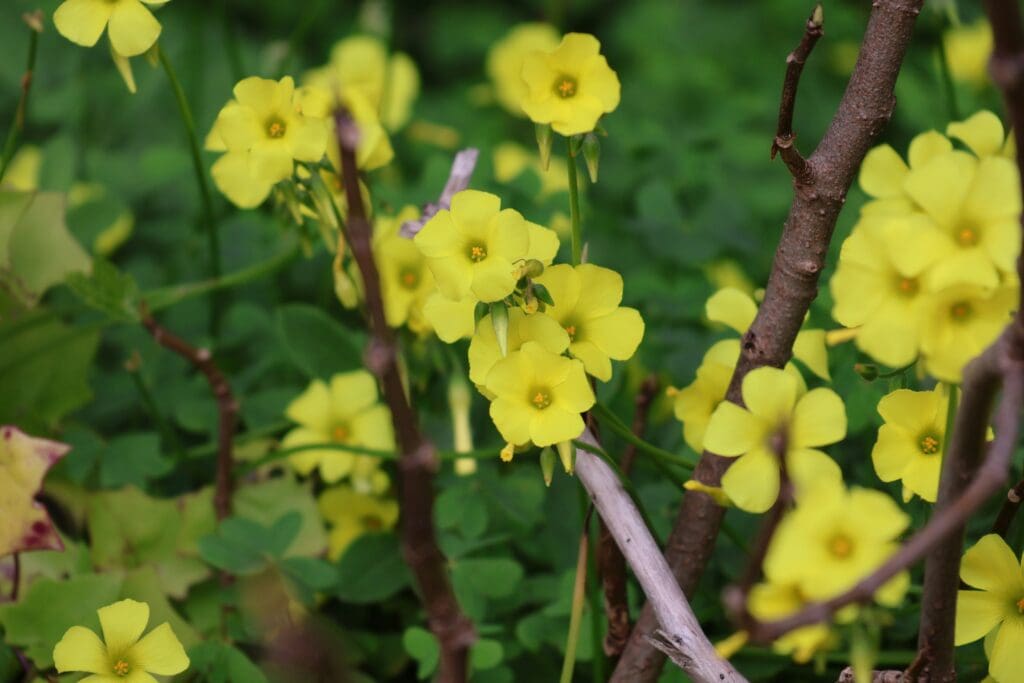
🌸 PRETTY FACTOR
With tiny yellow flowers and clusters of heart-shaped leaflets, wood sorrel looks like a miniature shamrock garden that planted itself.
🌱 WHAT TO KNOW
It can pop up in lawns, garden beds, sidewalk cracks, and containers—and once it gets comfortable, it can be persistent.
💛 VERDICT: LET A LITTLE LIVE
In an out-of-the-way spot, those tiny flowers can be charming. In the middle of your carefully tended flower bed, you may feel differently.
07 💜 PURPLE DEADNETTLE
Lamium purpureum
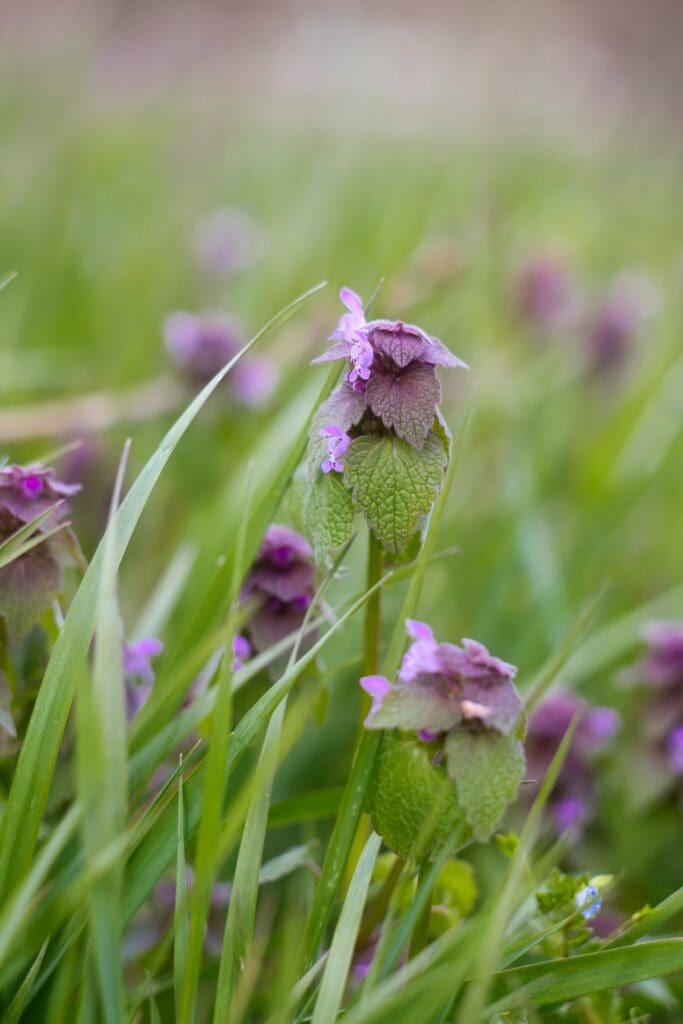
🌸 PRETTY FACTOR
Its upper leaves take on a lovely purplish cast, topped with tiny pink-purple flowers that can turn an ordinary patch of ground into a surprisingly pretty spring carpet.
🌱 WHAT TO KNOW
Non-native to the United States, this annual is extremely common in lawns and disturbed areas. It blooms early, when relatively few other flowers are available to visiting bees.
🐝 VERDICT: ENJOY—WITH LIMITS
If it’s occupying a forgotten corner, you might enjoy the spring color. If it’s taking over a garden bed, don’t feel guilty about pulling it.
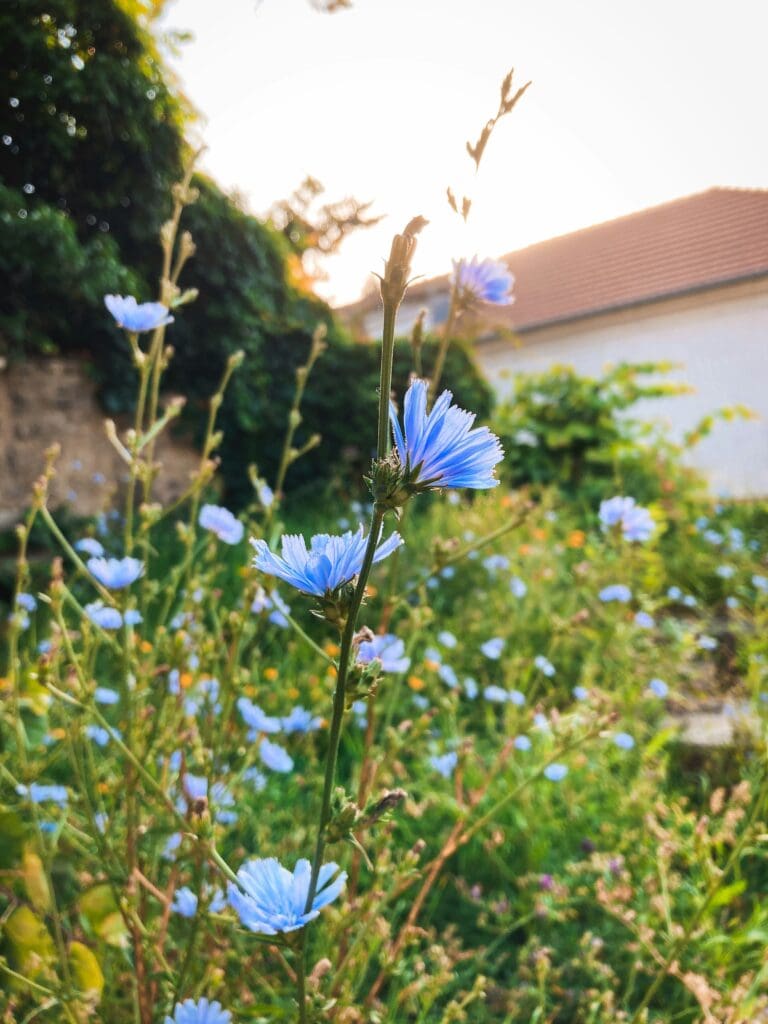
08 💙 CHICORY
Cichorium intybus
🌸 PRETTY FACTOR
Those startling blue flowers along roadsides almost look too perfect to be wild. Chicory’s daisy-like blooms range from sky blue to lavender and open along tall, wiry stems.
🌱 WHAT TO KNOW
Chicory was introduced to North America by European settlers and has naturalized widely. You’ll often spot it thriving in dry, disturbed soil where fussier flowers wouldn’t stand a chance.
💙 VERDICT: ADMIRE THE SURVIVOR
It may not belong in your formal flower bed, but we’ll happily appreciate those blue blooms wherever they safely appear.
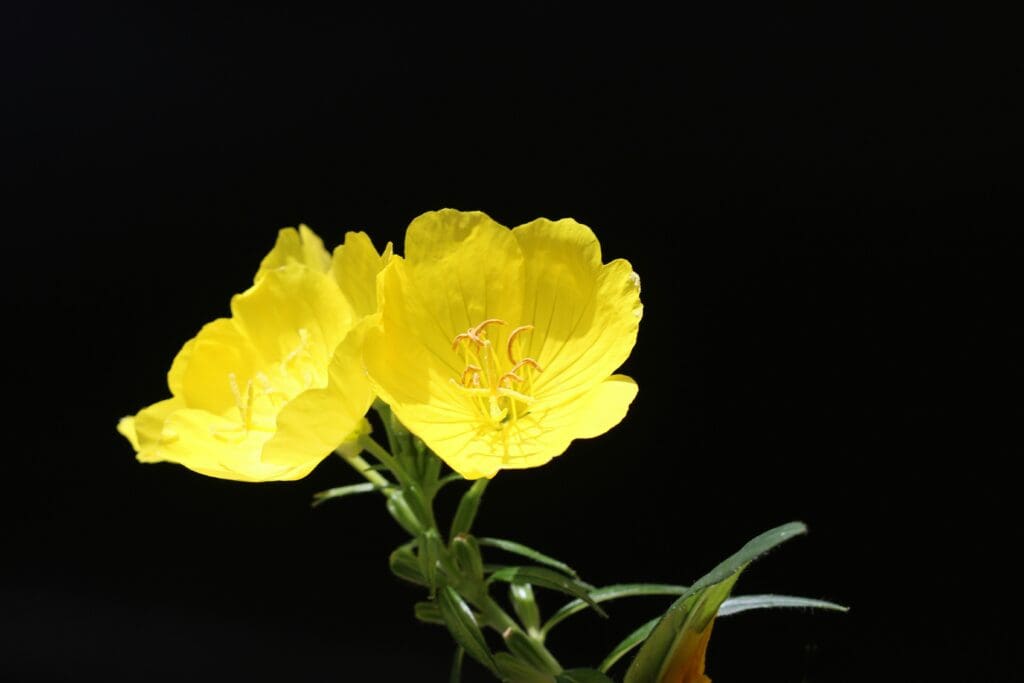
09 🌼 EVENING PRIMROSE
Oenothera spp.
🌸 PRETTY FACTOR
Soft yellow, cup-shaped flowers give evening primrose the look of something you’d choose at a garden center rather than discover growing wild.
🌱 WHAT TO KNOW
There are numerous species of Oenothera, including North American natives. Many open their flowers in the evening, providing nectar for nighttime pollinators such as moths.
🌙 VERDICT: LET IT GLOW
If you’ve got a native evening primrose happily blooming in an appropriate spot, this is one volunteer we’d be delighted to discover.
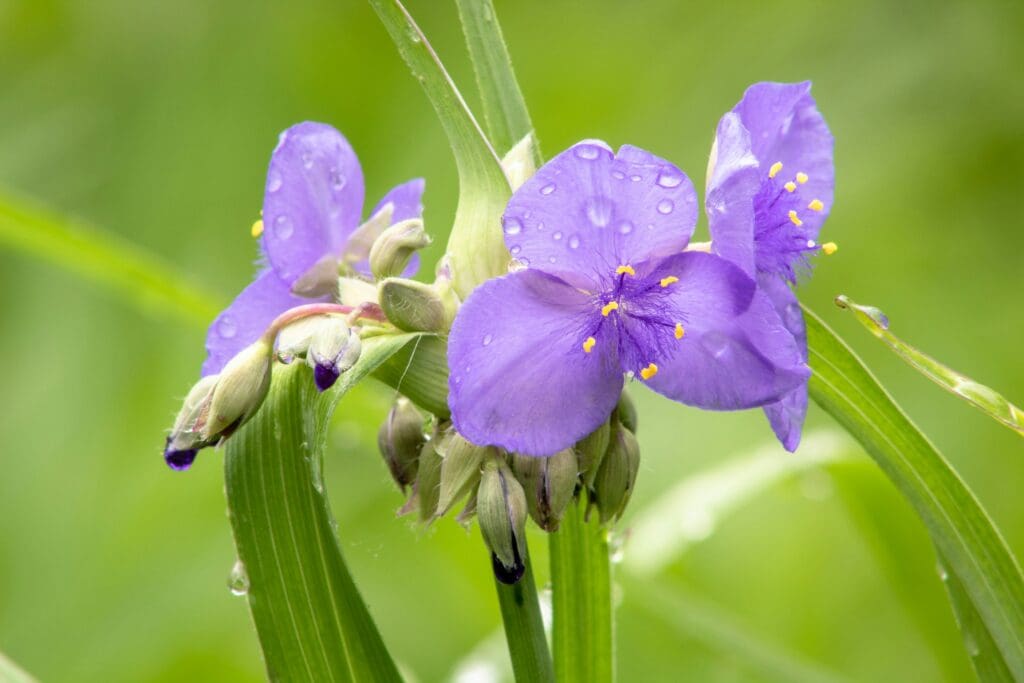
10 💙 VIRGINIA SPIDERWORT
Tradescantia virginiana
🌸 PRETTY FACTOR
Three vivid blue-purple petals and sunny yellow stamens make this native wildflower look anything but weedy.
🌱 WHAT TO KNOW
Virginia spiderwort is native to the eastern United States and is deliberately grown in gardens, but it can also spread enthusiastically enough to appear where it wasn’t invited.
💗 VERDICT: DEFINITELY TOO PRETTY TO PULL
Give it room, keep its enthusiasm in check if necessary—and enjoy the fact that sometimes Mother Nature does the planting for you.

+ Leave a comment
back to pretty