
A guest essay on the plants making a comeback by Anabella Mainetti, CEO & Co-Founder of Mainefactured Tiny Homes
In 2026, the plants making a comeback aren’t loud or novelty-driven. Instead, these familiar favorites are rooted in memory, ritual, and lived-in beauty. These aren’t impulse buys chosen for how they photograph in a single season; they’re plants people remember touching, smelling, watering, and growing up with at a grandparent’s house.
Their revival reflects a broader shift in how we want our homes to feel. Warm, personal, and alive—not just styled. And perhaps most refreshing of all, the garden spotlight is widening. Roses no longer carry the entire burden of beauty on their own.
Lavender: Designing With Scent Again
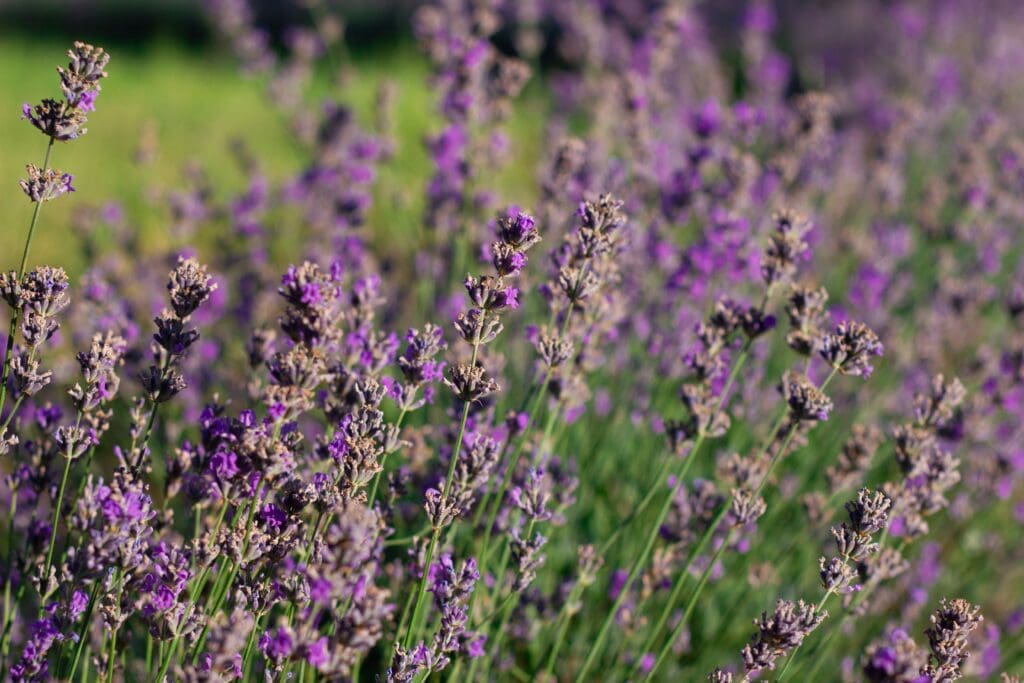
Lavender’s return feels almost inevitable. Once dismissed as overly rustic, it’s now appreciated for something far more meaningful than aesthetics alone: how it makes people feel. Homeowners are planting it near thresholds—entries, walkways, porches—because scent has become a design element again.
Lavender doesn’t announce itself. It gently welcomes you in, signaling calm before you even open the door. Not long ago, I received a bouquet of lavender, and even dried, it still holds its soft purple color, quietly adorning my office. It’s proof that beauty doesn’t have to shout to be lasting.
Rosemary: From Kitchen Staple to Garden Star
Rosemary is stepping out of the kitchen and back into the garden. Traditionally grown for cooking but rarely showcased, it’s now being recognized as a structural, aromatic plant that thrives in containers, raised beds, and along pathways.
Its evergreen nature makes it especially appealing for homeowners who want year-round greenery with minimal maintenance. And brushing past rosemary releases a scent that feels grounding and familiar—a small, everyday luxury that connects cooking, gathering, and place. Let’s be honest: trimming rosemary from your own garden instantly makes you feel a little bit like Martha Stewart, no matter who’s coming to dinner.
Boston Ferns: Softness Without the Fuss
Boston ferns are also quietly reclaiming their place. As outdoor spaces shrink and shaded areas become more intentional, ferns offer lushness without drama. They thrive where other plants struggle and are surprisingly forgiving if you forget to water now and then.
Perfect for balconies, courtyards, and covered patios, their softness brings relief in a world that increasingly feels sharp and overstimulated. Just as important, Boston ferns are known for their air-purifying qualities. At a time when health and well-being matter more than ever, we’re rediscovering plants that support us in ways we can’t always see.
Honeysuckle: Letting Fragrance Tell the Story
Climbing honeysuckle’s return speaks to something deeper: the reawakening of fragrance in outdoor design. For years, fast growth and visual impact took priority. Now, people are choosing plants that tell stories.
Honeysuckle doesn’t just grow—it marks time. Its scent lingers, attaches itself to memory, and can turn an ordinary evening into something unforgettable. It reminds us that gardens aren’t only meant to be seen; they’re meant to be experienced.
Bougainvillea: Romance With a Backstory
Bougainvillea is following closely behind. Once common on fences and porch columns, it’s being rediscovered for its ability to soften architecture with color and movement. Trained along walls, trellises, or pergolas, it creates a sense of enclosure and romance—especially valuable in smaller gardens and urban courtyards.
A few years ago, I brought a bougainvillea plant back from Italy after falling in love with the way it spills across walls along the Amalfi Coast. It thrived for a time, and I was incredibly proud of it. Unfortunately, a hard freeze while I was away took it from me. I like to joke that she only spoke Italian, couldn’t communicate with my English-speaking plants, and ultimately chose her exit. Some plants carry not just beauty, but stories—and those stories stay with us long after the blooms are gone.
Growing Alongside Our Homes
The plants making a comeback in 2026 aren’t about nostalgia for nostalgia’s sake. They reflect a collective shift toward care, patience, and emotional connection. They remind us that homes—whether sprawling or small—feel most alive when something is growing alongside us.
About the Author

Anabella Mainetti is the CEO & Co-Founder of Mainefactured Tiny Homes. She designs and builds thoughtfully crafted small homes where plants play a central role in creating warmth, balance, and livability.
Learn more at mainefactured.com.

+ Leave a comment
back to pretty