
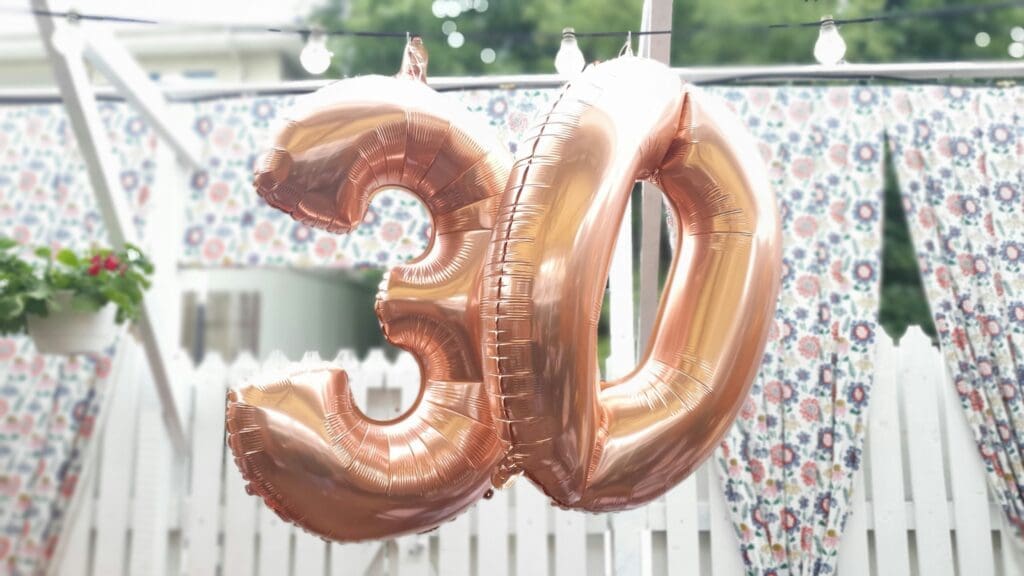
For many women, turning 30 is less about suddenly feeling older and more about entering a strange, in-between season of life.
It is often the decade when careers become established, marriages and families take shape, and “young adult” quietly gives way to full-fledged adulthood. To college students, 30 may sound ancient. To middle-aged women, it can feel incredibly young. But for many women living it, the decade occupies a complicated middle ground: old enough to want polish and confidence, young enough to still want style and self-expression.
And somewhere in the middle of all that comes the surprisingly emotional question:
How exactly am I supposed to dress now?
Emily Halbach Sharp, owner of 30 Something Clothing Co., says the idea for her boutique grew out of her own frustration after the birth of her third child. After finally beginning to feel like herself again, she says she went shopping only to discover that many stores seemed to offer two extremes: ultra-trendy pieces aimed at very young shoppers or overly conservative styles that felt disconnected from modern life.
“I couldn’t find what I was looking for,” Sharp says. “So I created it.”
Her frustration touches on something many women quietly experience in their thirties. The challenge is not necessarily wanting to look younger—nor suddenly feeling “old.” In fact, studies and surveys have long suggested that many women view their early-to-mid thirties as something of a sweet spot: a moment when confidence, personal style, and self-assurance begin to align.
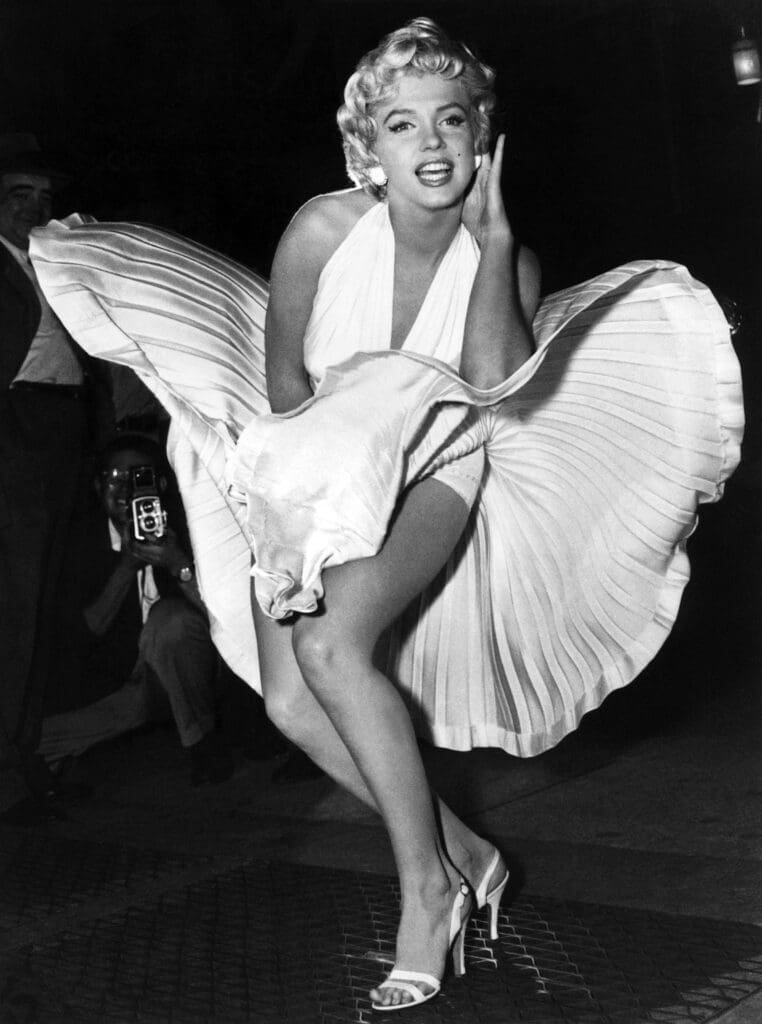
An Allure survey of 2,000 people once found that women considered 31 the age at which they felt most beautiful. It makes a certain kind of cultural sense. Marilyn Monroe was already in her thirties during The Seven Year Itch. Audrey Hepburn was in her early thirties in Breakfast at Tiffany’s. Sophia Loren, Grace Kelly, and countless other style icons were not presented as women fading quietly into the background after youth. They embodied glamour, sophistication, confidence, and unmistakable adulthood.
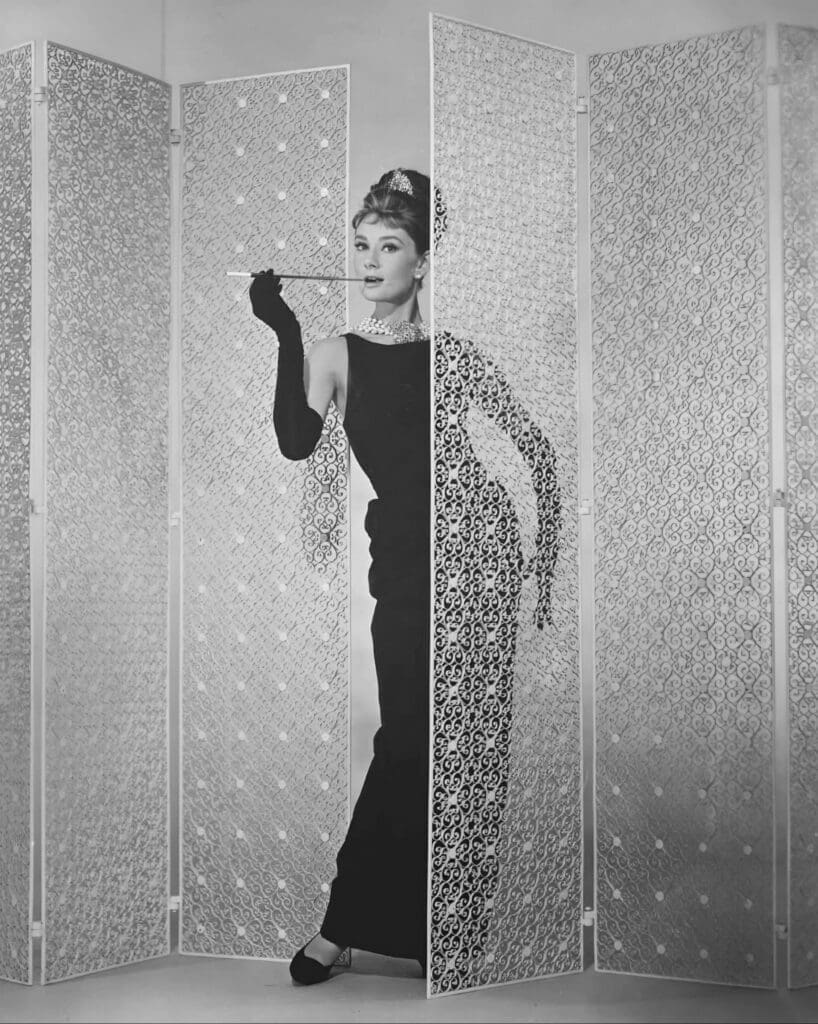
What may have changed is not society’s ability to see beauty in grown women, but the pace and tone of modern fashion itself.
Today’s women often receive contradictory messages all at once: stay youthful, stay fit, stay fashionable, stay relevant—but also somehow look effortless, mature, tasteful, maternal, professional, and “age-appropriate” all at the same time.
Today’s women often receive contradictory messages all at once: stay youthful, stay fit, stay fashionable, stay relevant—but also somehow look effortless, mature, tasteful, maternal, professional, and “age-appropriate” all at the same time.
It is little wonder that many women eventually abandon the exhausting balancing act altogether, retreating into leggings, oversized T-shirts, or whatever feels easiest in the morning rush.
For some women, body changes play a role. For others, the shift is more psychological than physical. A woman may still feel perfectly confident in her figure while also wanting her clothing to reflect maturity, professionalism, or motherhood rather than looking as though she cannot let go of her teen years.
Sharp says many women become frustrated because the styles they once wore no longer feel quite right—even if technically they still can wear them.
“There is no class on how to style your changing body,” she says. “So we buy clothes online that we wore in our twenties…only to put them on and hate them.”
But perhaps the real style evolution of the thirties is not about dressing “older” at all. It is about dressing more intentionally.
Many women begin shifting away from trend-chasing and toward personal style—investing in pieces that feel polished, versatile, flattering, and genuinely wearable in real life. Confidence comes less from trying to look younger and more from understanding yourself better than you did at 22.
The modern woman in her thirties occupies an unusual cultural space. She is often expected to remain youthful while simultaneously embodying adulthood.
The modern woman in her thirties occupies an unusual cultural space. She is often expected to remain youthful while simultaneously embodying adulthood. She may be building a career, raising children, managing a household, dating, leading meetings, attending school events, or all of the above— sometimes in the same day. Small wonder the question of what to wear can suddenly feel oddly loaded.
“Find an outfit that fits you right, makes you feel good about yourself, and put it on,” Sharp says.
Because sometimes confidence has less to do with age than simply recognizing yourself again when you look in the mirror.

+ Leave a comment
back to pretty