
By Jody Evans
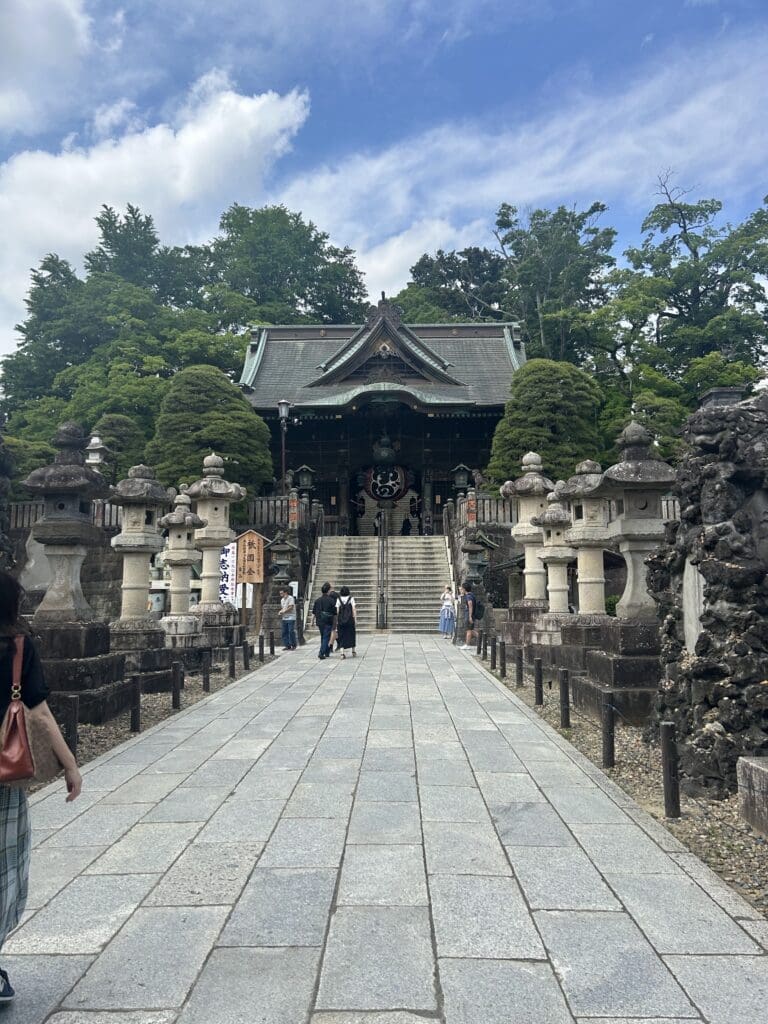
When I tell people I’ve been to Japan, the first question is almost always the same:
“How in the world did you afford it?”
I understand why they ask. Before I went, Japan felt like one of those dream destinations I’d probably admire from afar. Surely it had to cost a fortune.
The truth is, the biggest expense was getting there.
Once I arrived, I was pleasantly surprised by how affordable so many things were—from meals and transportation to some of the best convenience-store food I’ve ever tasted.
If Japan has been on your bucket list, don’t assume it’s out of reach. Here are a few things I learned while planning my trip—and a few lessons I picked up once I got there.
Consider a Group Tour
I traveled with a tour group, and for a first visit, I’m glad I did.
Most of the logistics were handled for us, which made traveling halfway around the world much less intimidating. We still had enough free time to explore on our own, so it never felt like every minute was scheduled.
There were a few drawbacks, though. Moving a large group through airports, customs, and attractions takes patience, and my tour included quite a few teenagers, so there were moments when I wished for a little more peace and quiet.
That said, their enthusiasm matched my own. We were all seeing Japan through fresh eyes, and it was fun to experience such a welcoming, serene culture together.
Even so, if you’re feeling overwhelmed by planning your first international trip, a group tour is worth considering.
Airfare Is Your Biggest Investment
Without question, airfare will likely be the most expensive part of your trip.
If your schedule is flexible, avoid traveling during Japan’s busiest seasons, such as the spring cherry blossom season, the spectacular fall foliage season, Golden Week, or the Obon holiday in August. Visiting during one of the quieter travel periods can often mean lower airfare, more hotel availability, and fewer crowds.
And one thing that surprised me? I adjusted to Japan’s time zone much more easily than I expected. The jet lag didn’t really hit me until I got home.
Pack Lighter Than You Think
You’ll almost certainly come home with more than you packed.
I kept most of my essentials in my carry-on and checked a suitcase with plenty of room for souvenirs. If you’re an enthusiastic shopper, you could even buy an inexpensive suitcase in Japan before your return flight.
Either way, leave yourself some extra space. You’ll be glad you did.
Book Transportation Before You Leave
If there are specific sightseeing tours or tour buses you want to experience, make reservations before your trip whenever possible.
Japan encourages domestic tourism, so you’ll be sharing many popular destinations not only with international visitors but also with Japanese families traveling within their own country. The most popular tours can fill up quickly.
Everyday Expenses May Surprise You
One of the biggest surprises of my trip was how affordable everyday life felt.
Meals, transportation, and many attractions cost less than I expected.
And then there was the food.
Some of my favorite meals came from places I never would have expected—including 7-Eleven.
It reminded me of finding the best barbecue at an unassuming roadside restaurant or stopping for boiled peanuts at a roadside stand back home. Sometimes the least fancy places serve the most memorable food.
Bring Some Cash
While many businesses in major cities accept credit cards, smaller shops and local markets may not.
Before you leave the United States, exchange some dollars for Japanese yen so you’ll have cash ready when you arrive. It’s one less thing to worry about after a long flight.
You’ll Walk…A Lot
Comfortable walking shoes are probably the most important thing you’ll pack.
Whether you’re exploring neighborhoods, gardens, temples, train stations, or shopping streets, you’ll spend far more time on your feet than you might expect.
One thing I was glad I knew before I went was that Japan tends to be more modest in the way people dress. An outfit that wouldn’t get a second glance in the U.S.—like leggings and a workout tank—can feel out of place while sightseeing. You don’t have to dress up, but comfortable clothes with a little more coverage will help you blend in and show respect for the local culture.
You Probably Won’t Need a Car
Most visitors don’t.
Before my trip, I assumed renting a car might be the easiest way to get around. Our tour guide quickly changed my mind. He explained that driving in Japan isn’t as straightforward as many visitors expect and strongly recommended relying on the country’s excellent public transportation system instead.
Japan’s trains make traveling between cities remarkably easy, and taxis and rideshare services are convenient for getting where the trains don’t go. Just remember that trains don’t operate around the clock, so depending on your schedule, you may need a taxi or rideshare to reach your final destination.
A Few Customs You’ll Be Glad You Knew
Some of my favorite memories involve the little cultural differences I learned along the way.
Don’t eat while you’re walking. Carry a small bag for your trash since public trash cans are surprisingly scarce.
And don’t cross the street until the pedestrian signal changes. In Japan, people take following the rules seriously. Waiting for the light isn’t just considered polite—it’s part of respecting the law and the community. Before long, I found myself waiting patiently, too, even when there wasn’t a car in sight.
They’re small habits, but following them shows respect for the culture—and before long, they simply become part of your day.
Budget a Little Extra
Some attractions and experiences charge international visitors a different admission price than local residents.
It isn’t universal, but it’s worth leaving a little extra room in your budget so those costs don’t come as a surprise.
A Trip I’ll Never Forget
For years, Japan was simply a dream.
Now it’s one of my favorite places I’ve ever visited.
Yes, you’ll need to plan ahead. Yes, getting there is an investment. But once you find yourself wandering through a quiet temple garden, watching a train glide into the station with perfect precision, or enjoying an unexpectedly delicious meal from a neighborhood convenience store, you’ll understand why so many travelers leave hoping they’ll one day return.
If Japan has been calling your name, maybe it’s time to stop saying, “Someday,” and start planning your own journey. I have a feeling you’ll come home with more than souvenirs—you’ll come home with a new appreciation for a culture that quietly leaves its mark on you.
To read Jody’s full story, Japan, Quietly, and see more of the beautiful places that made her fall in love with Japan, explore the Summer 2026 issue of Pretty magazine.

+ Leave a comment
back to pretty